
The short answer
Common Saratoga AC problems include debris-clogged condensers, failed capacitors, refrigerant leaks, frozen coils and zone controls that stop responding. Our technicians test each component, explain what failed and give you repair options before any work begins.
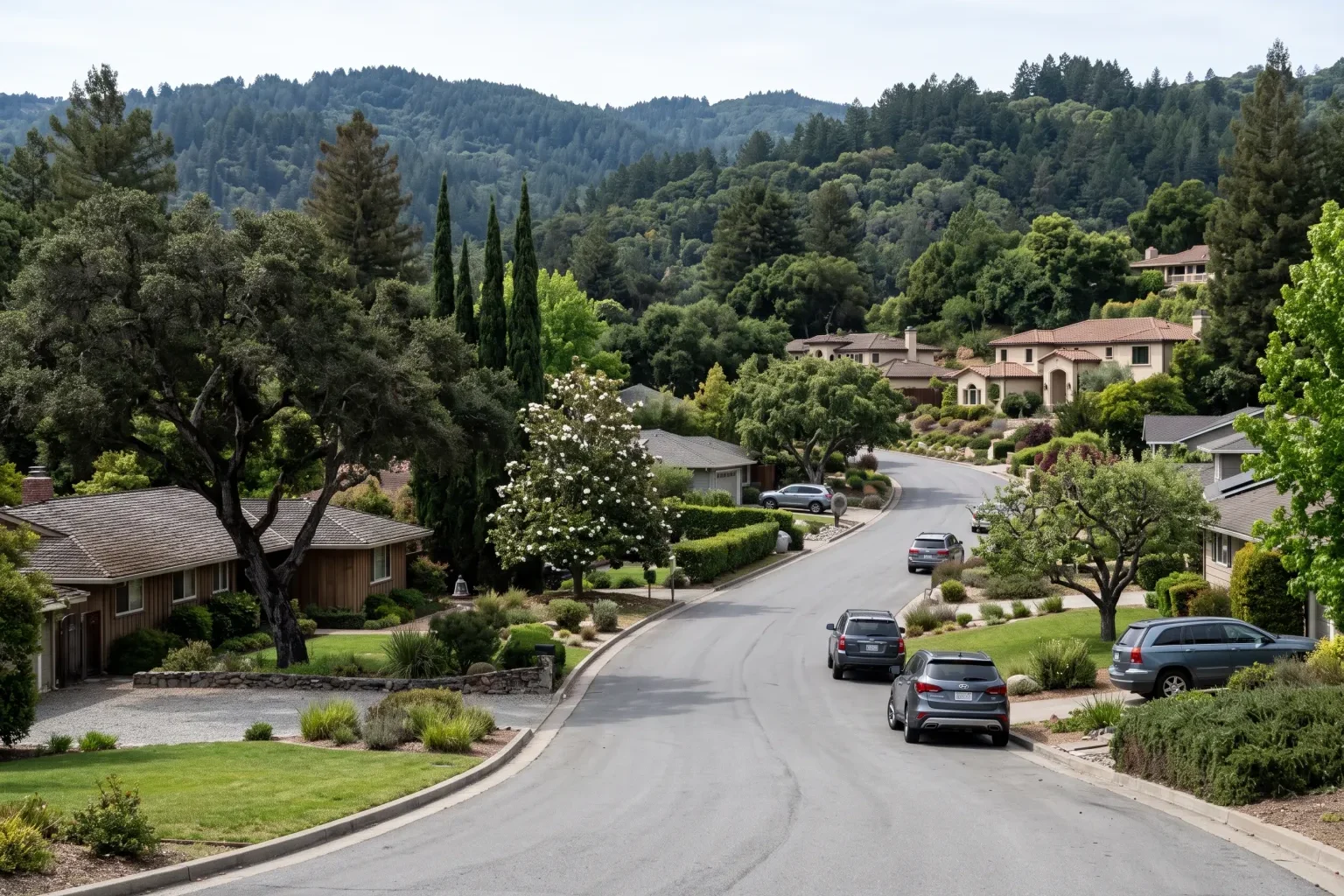
Summer heat settles into Saratoga differently than it does in the cities along the Bay. Being on the southwest side of the valley, close to the foothills, means afternoons here regularly run warmer, and air conditioners work longer stretches during July and August. Equipment on large or wooded properties also faces its own wear: leaves in the condenser, long refrigerant runs, attic air handlers serving big floor plans, and sometimes two or three separate systems that each need attention. ReliableAir HVAC Services travels about eleven miles from San Jose to repair air conditioners throughout 95070. This page is organized around what you're experiencing, so you can match your symptom to the likely causes and understand what our technician will check when they arrive.
"Upstairs Is Hot, Downstairs Is Fine"
This is one of the most frequent complaints in Saratoga's two-story homes. If one system serves both floors, heat rising to the upper level plus attic ducts baking in the afternoon sun can overwhelm it. If the home has a zoned system, a stuck damper or a failed zone control board may be sending all the air to one floor.
We start by checking whether the upstairs system, or the upstairs zone, is actually producing cold air at the registers. From there we test dampers, zone thermostats, attic duct connections and insulation. Sometimes the fix is a single motor; sometimes it's resealing a disconnected trunk line that was blowing cold air into the attic.
Outdoor Unit Problems
Condensers on tree-covered lots often have coils matted with leaves, seed pods and dust. A blocked coil can't release heat, so the head pressure rises, efficiency drops, and on a hot day the unit may trip off on high pressure. Cleaning the coil properly, from the inside out, often restores performance on its own.
Electrical failures are the other big category. Run capacitors weaken over time and are especially likely to fail during sustained heat. Contactors pit and stick. Fan motors wear out. These parts are usually on our truck, so the repair can often be finished on the same visit.
- Fan not spinning while the unit hums: capacitor or fan motor
- Unit won't start at all: power, contactor, low-voltage wiring or control issue
- Unit runs then shuts off on hot afternoons: dirty coil, high pressure or overheated compressor
- Loud buzzing or clanking: electrical fault or failing compressor mount
Indoor Unit and Airflow Issues
A frozen evaporator coil usually means low airflow or low refrigerant. Clogged filters, a failing blower motor or closed-off registers reduce airflow until the coil temperature drops below freezing. If you see ice, switch the thermostat to fan-only and let it melt before we arrive.
Water leaking from an attic air handler is a serious issue in a large home with finished ceilings below. Condensate lines clog, and overflow pans rust through on older equipment. We clear the line, inspect the pan and confirm that the float switch will shut the system off if water rises again.
Refrigerant Leaks on Longer Line Sets
Larger properties often have long refrigerant lines between the condenser and the indoor coil, with more joints and more places for a leak to develop. Low refrigerant doesn't just reduce cooling; it can overheat the compressor. Rather than recharge and leave, we use leak detection to locate the problem, repair it where practical, and then charge the system to the correct level.
Systems still running on R-22, the older refrigerant, are increasingly expensive to recharge because it's no longer produced. If yours uses it and has a leak, we'll help you weigh repair against replacement.
Deciding Whether to Repair
For most problems, repair is the sensible choice. When a compressor fails on an aging unit, or repairs are piling up year after year, replacement deserves a look. If that's where things stand, we can compare a new central AC with a heat pump, which also handles heating. Bay Area Air District rules for gas furnaces made from 2029 point many future replacements toward heat pumps, though nothing requires replacing working equipment.
More services in Saratoga
- Heating Repair in Saratoga
- Heat Pump Installation in Saratoga
- AC Installation in Saratoga
- Furnace Repair in Saratoga