
The short answer
ReliableAir HVAC Services serves Monte Sereno, CA, about 12 miles south of our San Jose base in Santa Clara County. We diagnose and repair AC and heating systems, install heat pumps, furnaces and mini-splits, and offer maintenance and air quality service.
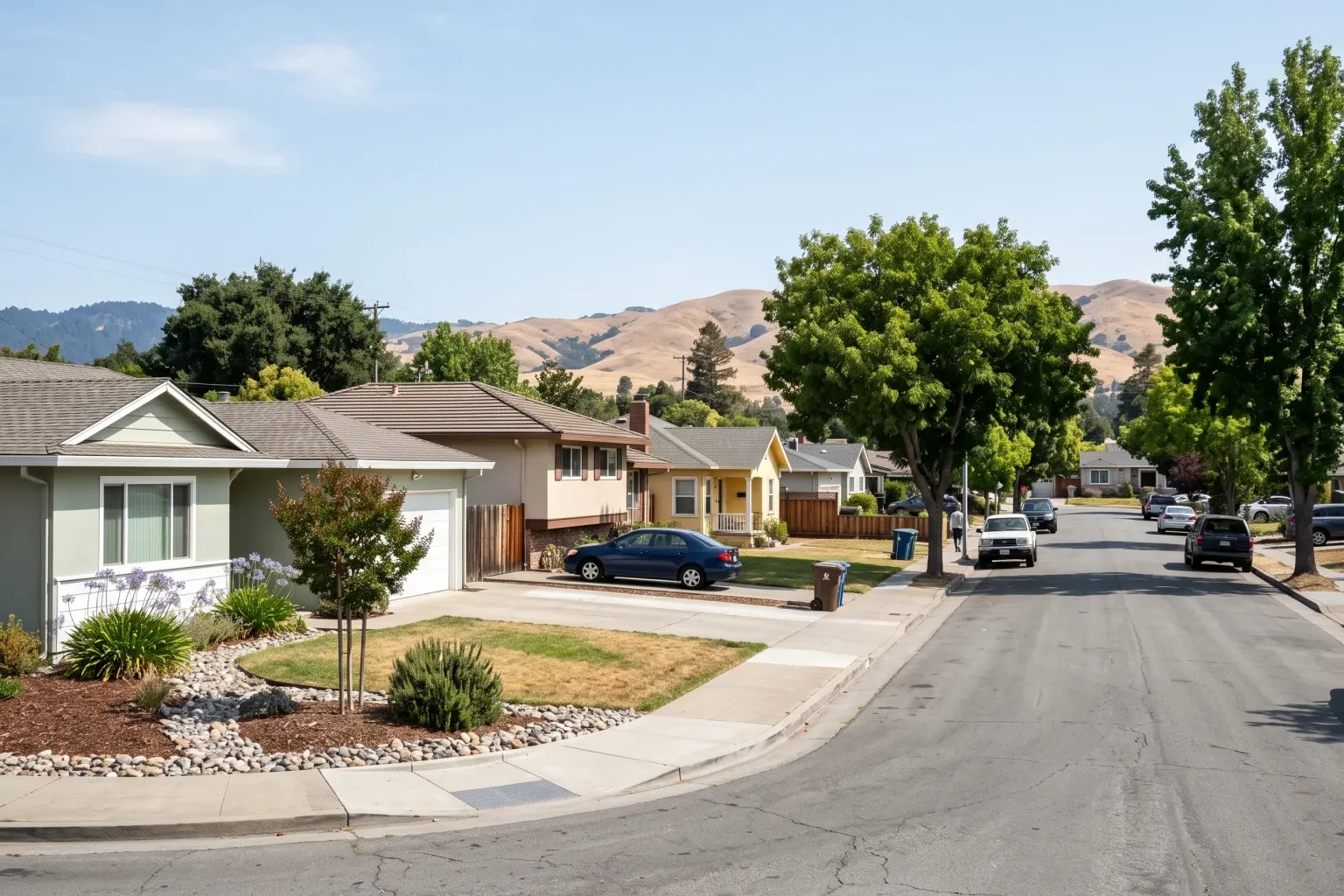
Monte Sereno is a small, almost entirely residential city about 12 miles south of San Jose, set between Los Gatos and Saratoga in Santa Clara County. Homes here tend to sit on larger lots with mature trees, and many have heating and cooling equipment that has been running quietly for a long time. ReliableAir HVAC Services comes out for AC and heating repair, furnace and heat pump replacement, ductless mini-splits, seasonal maintenance, duct cleaning and indoor air quality, and we take a careful, step-by-step approach to diagnosing problems before recommending any work.
How we diagnose a problem
Guesswork is expensive. On every repair call, we follow the same sequence so the cause is found, not assumed.
- Listen to your description: what happens, when, and for how long
- Check the basics first: power, breakers, thermostat settings, filter
- Measure electrical values on motors, capacitors and controls
- Check airflow and temperature split across the indoor coil or heat exchanger
- On cooling systems, measure refrigerant pressures and temperatures
- Explain the findings and options before replacing anything
Long-serving equipment under mature trees
Large trees shade roofs and yards, which helps in summer, but they also drop leaves, seeds and sap onto outdoor units. A coil packed with debris cannot shed heat, so the compressor runs hotter and longer. We clean coils thoroughly during tune-ups and recommend keeping a clear space around each unit.
Older systems also show their age in less obvious ways: refrigerant types that are no longer produced, ductwork with crumbling tape, and thermostats wired for equipment that was replaced years ago. When we find these, we note them so you can plan rather than react.
Warm southern valley summers
Inland and southern parts of the Santa Clara Valley run noticeably hotter in summer than areas near the Bay, and Monte Sereno is on that warmer side. Air conditioners that are undersized, low on refrigerant or moving too little air will run all afternoon without catching up. Sometimes the answer is a repair; sometimes a variable-speed heat pump that runs longer at lower output gives steadier comfort and quieter operation.
Replacing a furnace in the next few years
Bay Area Air District Rule 9-4 requires natural gas furnaces manufactured from 2029 to meet a zero-NOx emission standard, which in practice points homeowners toward heat pumps when a furnace is replaced after that date. The Air District rules do not require replacing equipment that still works.
If your furnace is old enough that replacement is coming, it is worth comparing options now. A heat pump on existing ducts covers both heating and cooling. Ductless mini-splits suit guest rooms, studios and additions. Some owners keep a working furnace as a backup and add a heat pump alongside it. The federal 25C credit ended for installations after December 31, 2025; check BayREN and your local clean energy provider for current incentives, which we confirm before quoting.
Ducts and indoor air
In homes that have been expanded, ducts are often a patchwork of old metal runs and newer flexible sections. Leaks pull dusty attic or crawlspace air into the system, and the house never feels quite clean. Sealing the returns, fitting the filter properly and cleaning ducts when inspection shows buildup all help. During smoky or high-pollen periods, upgraded filtration can make a noticeable difference indoors.
Annual care for a larger home
Bigger houses often mean more than one system, more filters, more thermostats and more places for something to go unnoticed. A yearly visit is the simplest way to keep track. In the fall we focus on heating: igniters, flame sensors, gas pressure, safety limits, venting and the heat exchanger. In spring we turn to cooling: coil cleaning, electrical tests, refrigerant measurements and drain lines. Heat pump owners can combine both into one visit because the same equipment covers both seasons.
We keep notes on each unit from visit to visit, including readings that tend to drift as equipment ages. When a capacitor's value drops a little each year or a motor starts drawing more current, those notes show the trend before it becomes a breakdown. That record also helps when you decide to replace, because you will know which system is in the worst shape and which can wait.