
The short answer
Most Los Altos homes can add central AC by pairing a new coil with the existing furnace and ductwork, or go ductless where there are no ducts. We measure the house, check ducts and electrical capacity, and size the system to the actual load before recommending equipment.
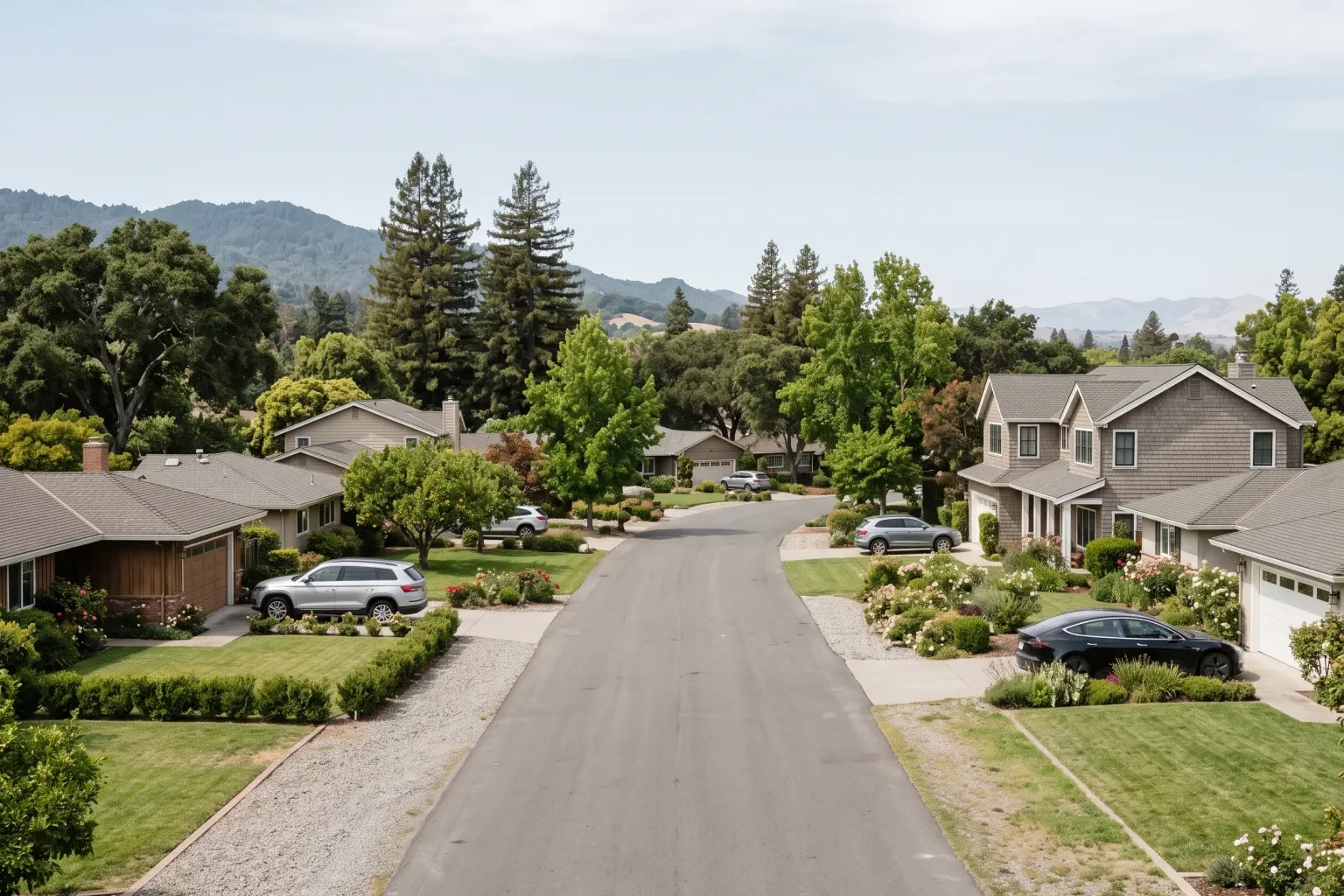
A lot of houses in Los Altos (ZIP 94024) were built for a climate where nobody expected to need air conditioning. Then a string of September afternoons pushes the upstairs bedrooms past comfortable, and the question becomes how to add cooling without tearing the house apart. ReliableAir HVAC Services drives about 9 miles west from our San Jose base to plan and install central air, ductless systems and heat pump units for Los Altos owners. This page covers the decisions that matter most for homes here: what your existing furnace and ducts can support, where the outdoor equipment can sit on a typical Los Altos lot, and how to size a system for a town that sits between the cooler Bay edge and the warmer inland valley.
Starting from the furnace you already have
If your home has a gas furnace in the garage, attic or a hall closet, you already own half of a central air system. The blower and the duct network can usually move cooled air too, provided they were sized generously enough. The cooling side adds an evaporator coil on top of or beneath the furnace, a refrigerant line set, a condensate drain and an outdoor condenser.
The catch is that ducts designed only for heat often run a little small for cooling, because cool air is denser and needs more airflow to deliver the same comfort. Before quoting anything, we look at the blower capacity, the return air path and the size of the trunk lines. Sometimes one undersized return is the only fix needed; sometimes a back bedroom needs its own supply run.
Sizing for a town between the Bay and the valley
Los Altos is not as mild as the shoreline neighborhoods to the north, and it is not as hot as the southern end of the Santa Clara Valley. The region's Mediterranean pattern means long dry summers with occasional hot spells, and evenings that usually cool down well. That profile rewards a system that is sized correctly rather than oversized. An oversized unit cools the air quickly, shuts off, and leaves rooms feeling clammy and uneven.
We run a room-by-room load calculation that accounts for window area, the direction the house faces, insulation in the attic, and the large shade trees many Los Altos streets are known for. Mature canopy can make a real difference to the cooling load on one side of a house, and the calculation should reflect that.
- Attic insulation depth and whether the ducts run through hot attic space
- West-facing glass, skylights and second-floor rooms that collect heat
- Number of occupants and how the rooms are actually used in summer
- Existing duct leakage, which can waste a meaningful share of cooled air
Where the outdoor unit goes
On many Los Altos lots, side yards are narrow and neighbors are close. The condenser needs clear airflow on all sides, a short and protected path for the refrigerant lines, and a location that keeps operating sound away from bedroom windows, yours and the house next door. We walk the property with you and mark a few options, then explain the trade-offs of each, including line length, visibility from the street and access for future service.
Electrical capacity is the other practical limit. Older panels in mid-century homes sometimes have little room for a new dedicated circuit. We check the panel during the first visit so that any upgrade is known before installation day, not discovered in the middle of it. Permits are pulled through the city as required, and we schedule the inspection once the work is complete.
When ductless or a heat pump makes more sense
Homes with radiant floors, wall heaters or no ductwork at all are good candidates for ductless mini-split systems. A single outdoor unit can serve several indoor heads, and each room gets its own control. This is also a clean way to cool an addition or a converted garage without extending the main duct system.
It is worth considering a heat pump instead of a cooling-only condenser. A heat pump installs in nearly the same way but also heats the house. Under Bay Area Air District Rule 9-4, gas furnaces manufactured from 2029 must meet a zero-NOx standard, which in practice points homeowners toward heat pumps when a furnace is eventually replaced. The rule does not require replacing a furnace that still works, so you can keep yours. Choosing a heat pump now simply means the cooling equipment is ready to take over heating later. BayREN and your local clean energy provider may have incentives for electrification; those change by funding cycle, so we confirm what is current before including them in any estimate.
What installation day looks like
Most central air additions in an existing home take one to two days. The crew protects floors, sets the coil and condenser, brazes and pressure-tests the refrigerant lines, pulls a deep vacuum, and charges the system to the manufacturer's specification. We then measure airflow and temperature split at the registers and adjust the blower so each part of the house gets its share.
Before we leave, we show you the thermostat settings, the filter location and the condensate drain, and we explain what normal operation should sound and feel like. If you live in Los Altos Hills, Mountain View, Palo Alto, Sunnyvale or Cupertino, the same process applies, and we are happy to plan your project too.
More services in Los Altos
- AC Repair in Los Altos
- Heating Repair in Los Altos
- Heat Pump Installation in Los Altos
- Furnace Repair in Los Altos