
The short answer
Most furnace failures come from a weak link in the startup sequence: the inducer motor, pressure switch, igniter, flame sensor or control board. A technician tests each step to find which one stopped, and Air District rules do not force you to replace a furnace that can be repaired.
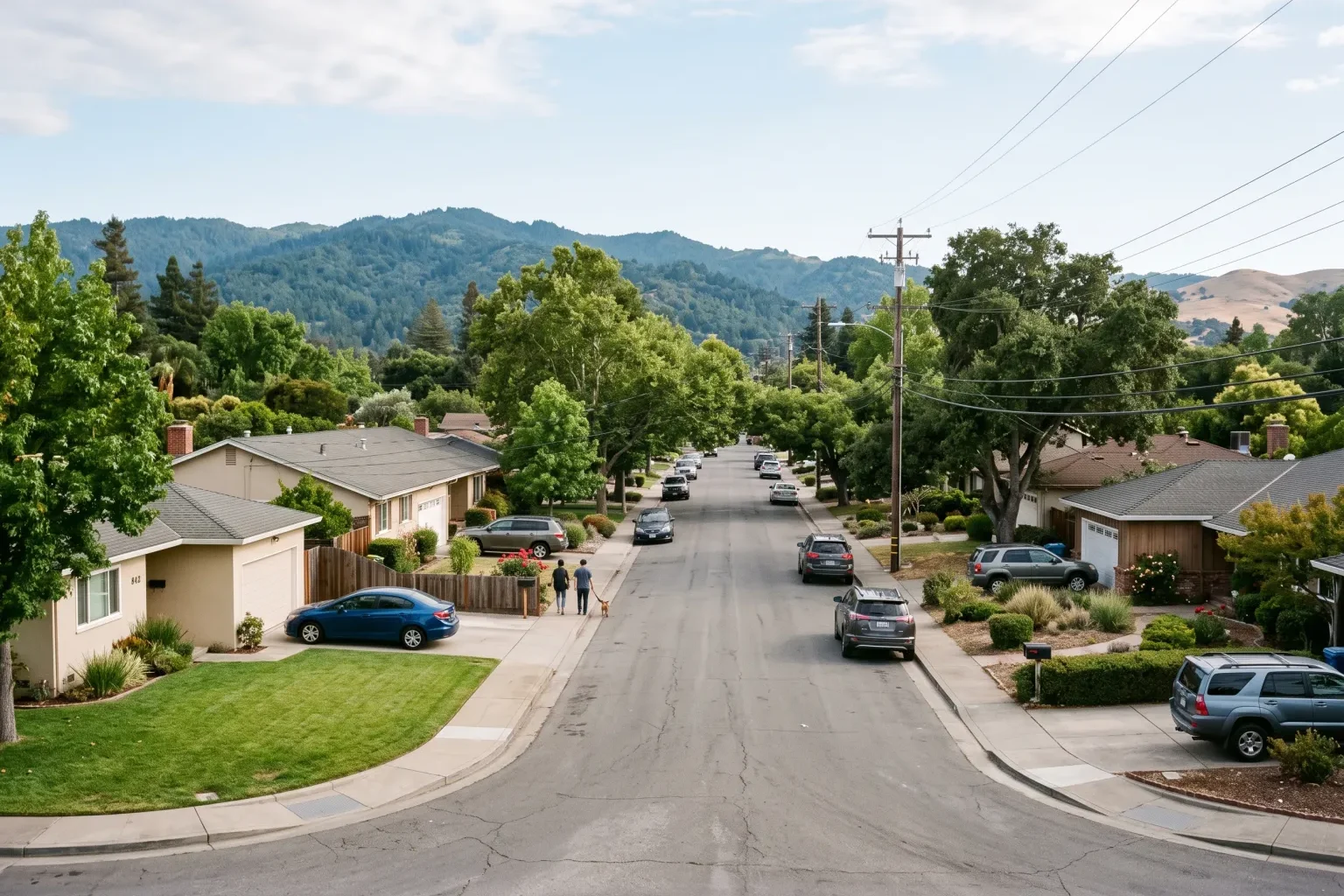
Campbell winters are mild and damp rather than harsh, so a gas furnace here can go weeks without running hard. That is exactly why problems tend to surface on the first chilly evening in November, when the thermostat calls for heat and the burners refuse to light. ReliableAir HVAC Services repairs gas furnaces in garages, hall closets, attics and crawlspaces throughout 95008, a short drive of about nine miles south from our base in San Jose. This page explains how a furnace is supposed to start, what typically breaks along that chain, the warning signs you should never ignore, and what the Bay Area Air District rules mean, and do not mean, for an older furnace you would like to keep running.
The startup chain, and where it breaks
A modern furnace follows a strict order each time it starts. The thermostat sends a signal, the control board starts a small inducer fan to clear the flue, a pressure switch confirms the vent is drawing, the igniter glows, the gas valve opens, and a flame sensor proves there is a flame. Only then does the main blower push warm air through the house. If any step fails, the board shuts everything down for safety.
That design is why a furnace can look completely dead even though only one inexpensive part has failed. Diagnosing it means watching the sequence and testing each component, not swapping parts until the heat comes back.
- Inducer motor: worn bearings cause a whine or rattle before it quits
- Pressure switch: trips when the vent or condensate line is blocked
- Hot surface igniter: cracks with age and stops glowing
- Flame sensor: a coating of residue makes the burners light and then drop out
- Control board: can fail after a power surge or from heat in a tight closet
Signs that call for a shutdown, not a reset
Some symptoms mean the furnace should stay off until it is inspected. If you smell gas, leave the house and call your gas utility from outside before anything else. If a carbon monoxide alarm sounds, get everyone out and call for emergency help. Scorch marks around the burner door, a yellow or lazy flame, or soot near the vent pipe point to combustion problems that need a professional look.
Other signs are less urgent but still worth a visit: a furnace that short cycles on and off, a blower that runs nonstop, a burning-dust smell that lingers well beyond the first run of the season, or rooms that never warm up while others overheat.
Furnaces in Campbell's older homes
Many Campbell houses built in the decades after the war have their furnace tucked into a hall closet or a garage corner, with ducts running through an attic or under the floor. Over time those ducts loosen and leak, return grilles end up undersized, and filters get forgotten. A furnace starved of return air runs hot, trips its high-limit switch, and shuts down. Part of every repair visit is checking the air side as well as the burner side so the fix lasts.
Garage installations also deserve a look at clearances and venting, especially if storage has crept closer to the unit over the years.
What the Air District rules mean for your furnace
You may have heard that gas furnaces are being phased out in the Bay Area. The real picture is narrower. Under Air District Rule 9-4, natural gas furnaces manufactured from 2029 must meet a zero-NOx emission standard, which in practice points homeowners toward heat pumps when a furnace is replaced after that date. The rules do not require anyone to remove working equipment. They apply only when an existing furnace fails or is replaced.
In other words, repairing the furnace you have is still a normal, sensible choice. When the furnace is old enough that a major part such as the heat exchanger or blower motor has failed, we will tell you, and we can talk through whether a heat pump would serve the house better from here.
After the repair
Once the furnace is running, we confirm the burners ignite cleanly, check temperature rise across the heat exchanger, verify the safety switches respond, and look at the venting. You will hear what we fixed, what we noticed, and anything worth planning for before next winter.
More services in Campbell
- AC Repair in Campbell
- Heating Repair in Campbell
- Heat Pump Installation in Campbell
- AC Installation in Campbell